
Westwood Sushi Dining: Texture Begins with the Cut
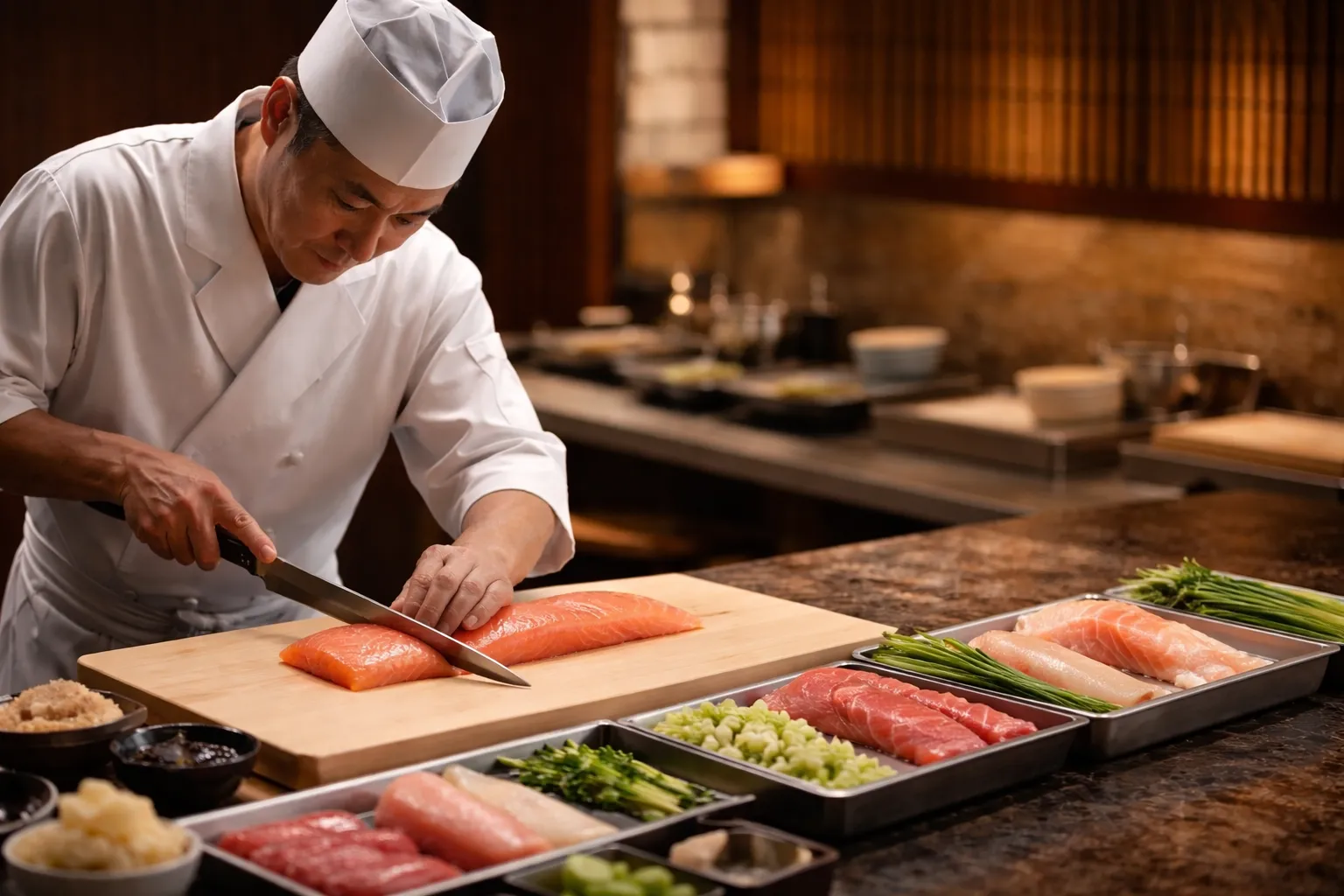
Before seafood becomes nigiri or sashimi, the knife determines how the diner will meet it. Direction, thickness, surface scoring and portion can make one cut feel delicate and another pleasantly firm. Westwood guests visiting Mizumi can look beyond appearance and notice how preparation changes texture.
North Across the Mountain Divide
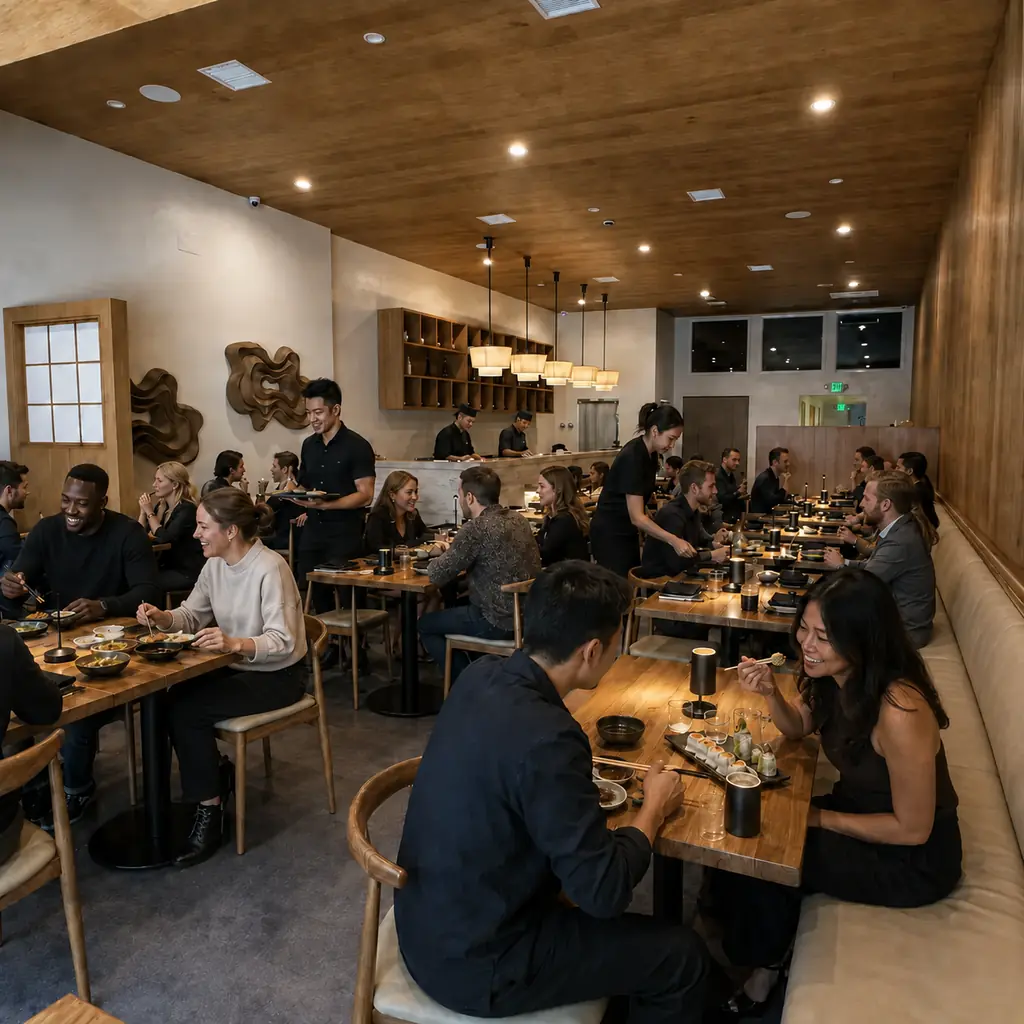
The mountain divide separates Westwood from Mizumi's Encino neighborhood. The northbound I-405 crosses through the Sepulveda Pass, while Sepulveda Boulevard offers a surface route through the same corridor for some starting points.
After reaching the Valley, continue toward Ventura Boulevard and the Mizumi storefront marked 17047. Consult the live map close to departure, because the best approach depends on real conditions rather than a permanent travel-time promise.
Thickness Changes the Experience
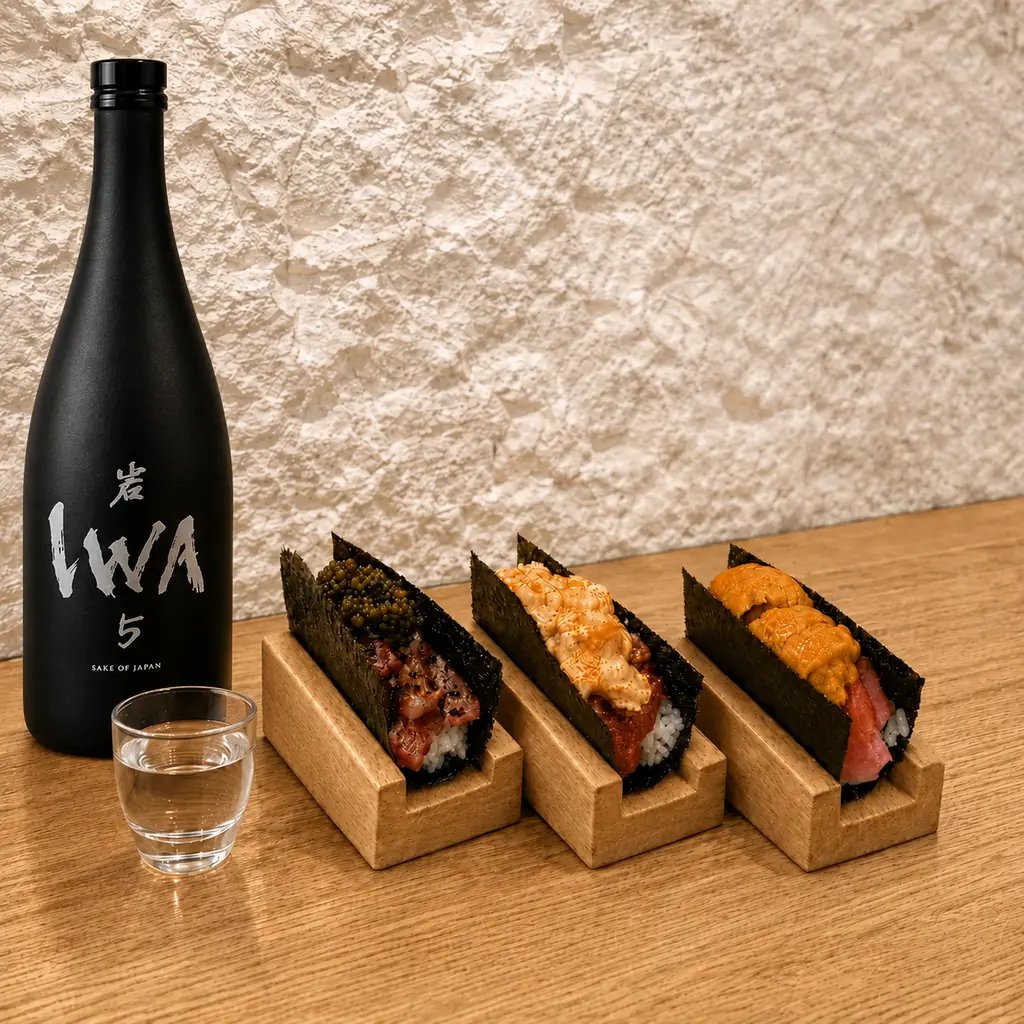
A thin slice can reduce resistance and let a firmer ingredient feel more yielding. A thicker portion may preserve body in seafood that is naturally soft or rich. The correct decision depends on the species, the exact section and the result the chef wants the palate to register.
This is why uniform cutting is not automatically precise cutting. Consistency matters within a preparation, but repeating the same dimensions across every fish would ignore the characteristics that make each selection different.
A Slice Has Direction
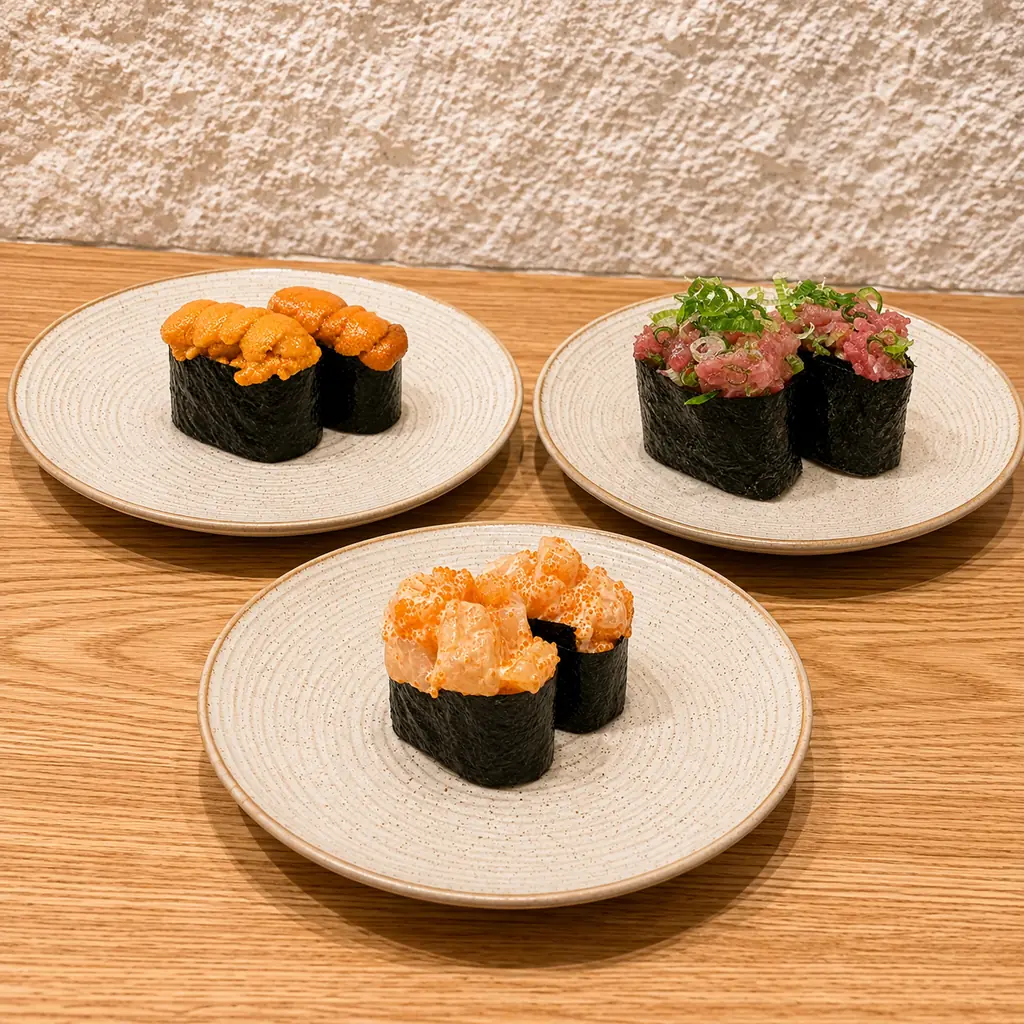
Muscle fibers create a visible grain in many cuts of fish. Moving the knife across those fibers can shorten them and reduce chew, while another angle may preserve more firmness. The chef chooses according to the ingredient instead of following a single universal direction.
Scoring adds another tool. Carefully placed shallow lines alter the surface, may soften a firm texture and can give seasoning more area to meet the seafood. The marks are functional decisions, even when they also make the presentation more detailed.
Four Decisions Made at the Knife
- Direction: The blade may travel across visible fibers to reduce resistance or follow another angle to retain body.
- Thickness: Firm and tender seafood do not always benefit from identical dimensions.
- Scoring: Shallow lines can modify surface texture and increase contact with a chosen seasoning.
- Portion: A piece must suit its intended format, whether served alone as sashimi or paired with rice as nigiri.
Westwood Questions About Sushi Knife Work
How does the trip begin from Westwood?
Begin by moving north across the mountain range separating the Westside from the Valley. I-405 is the freeway choice, while Sepulveda Boulevard provides a surface alternative; current navigation can direct the final Encino approach.
Why can sashimi pieces have different thicknesses?
Thickness can be adjusted for the firmness, fat content and grain of a particular cut. The objective is a texture that suits the seafood rather than one measurement for every selection.
What does scoring do to seafood?
Shallow scoring changes the surface and can soften the way a firm cut meets the palate. It may also create additional contact for seasoning when the preparation calls for it.
Does the direction of a slice affect texture?
Yes. Cutting with or across visible muscle fibers can change resistance, which is one reason an experienced sushi chef does not treat every fish identically.
Westwood guests travel north to examine Mizumi's approach to sushi.
Mizumi location: Encino · California 91316 · 17047 on Ventura Boulevard · Telephone (818) 809-2006