
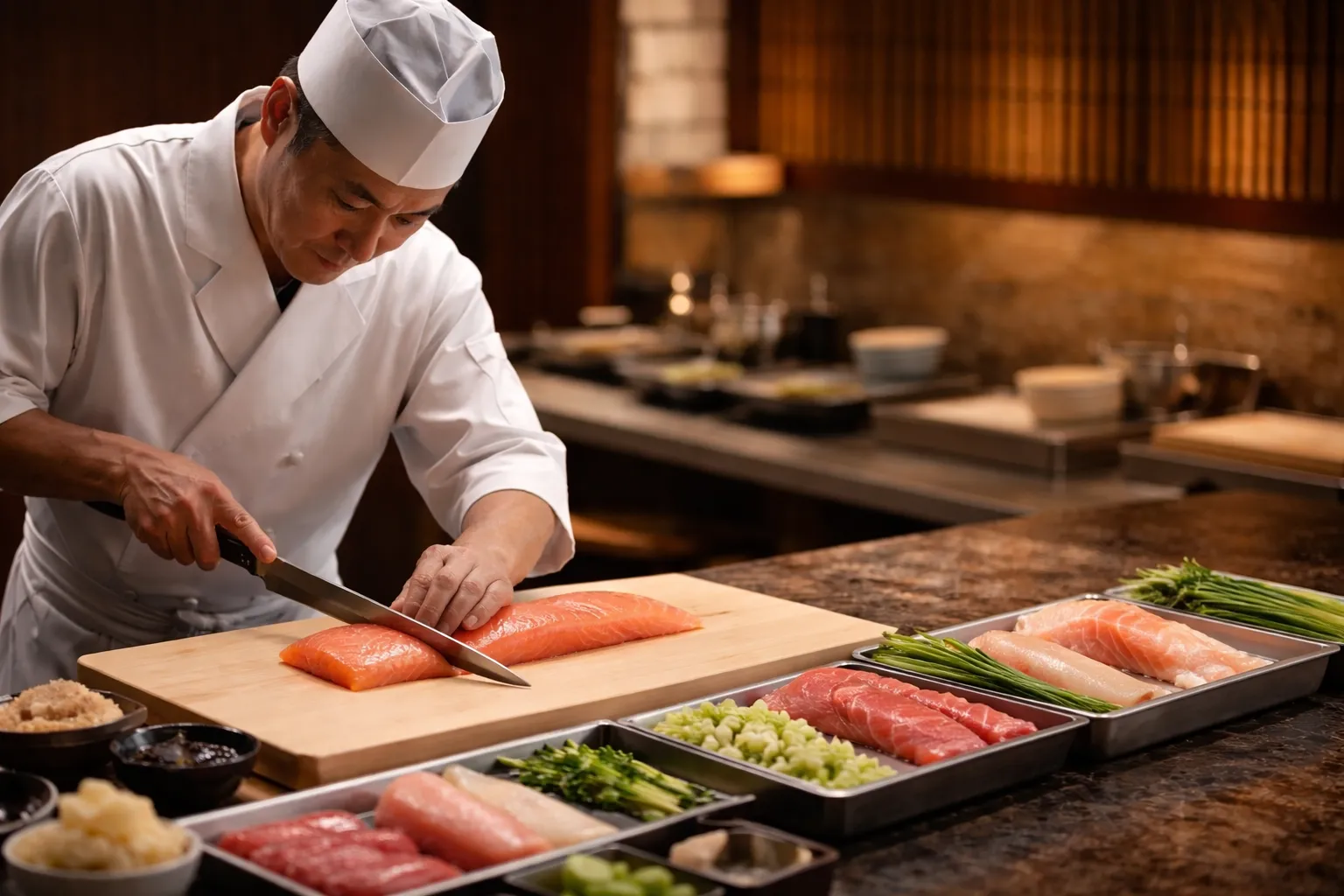
Tarzana Sushi Dining: The First Bite Begins with the Eye
A Japanese dinner communicates before the food is tasted. Open space, color, height, direction and the choice of plate can guide attention toward a particular piece. For diners beginning in Tarzana, a visit to Mizumi in Encino can start by observing the presentation, then discovering how those visual decisions relate to texture and flavor.
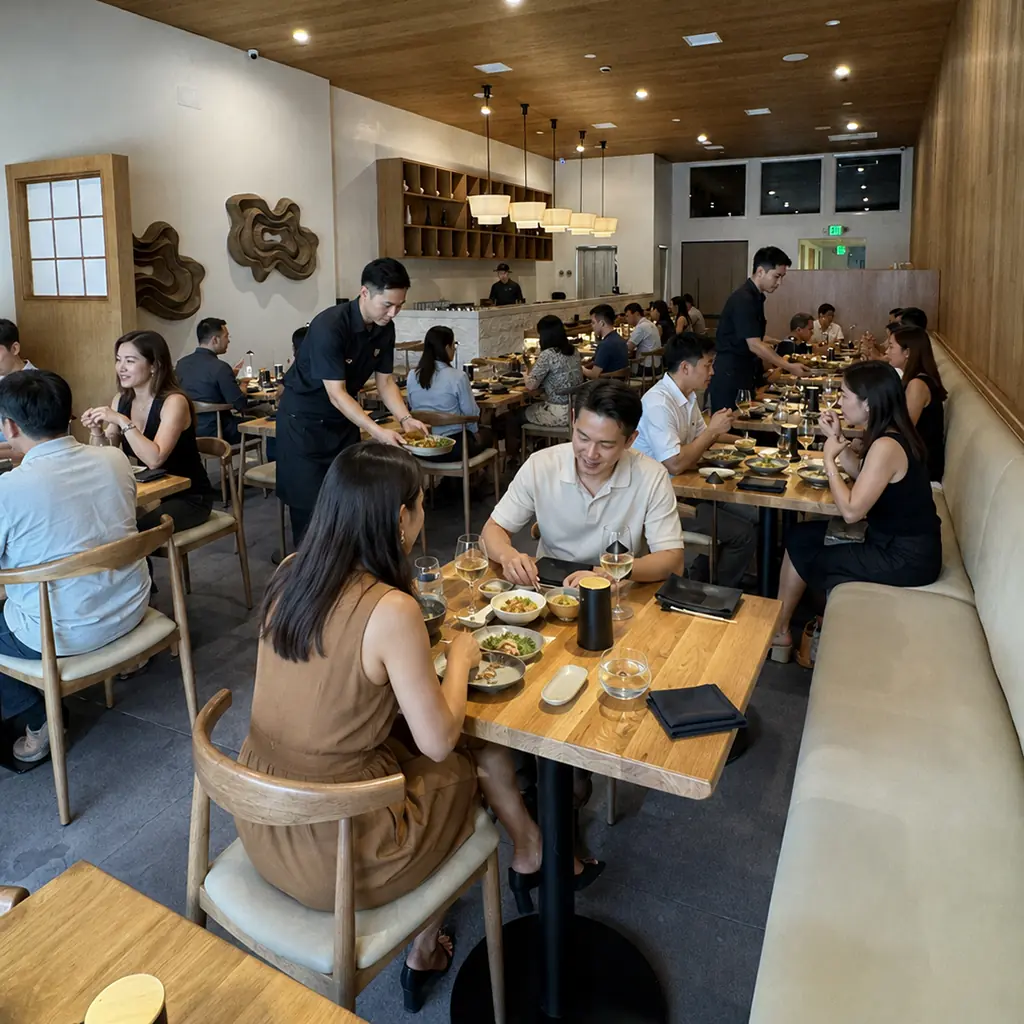
Tarzana Starts the Evening; Encino Hosts the Table
The search for sushi may begin in Tarzana, while the reservation itself is at Mizumi in neighboring Encino. Both neighborhoods belong to the same west-Valley dining corridor, so the change of address remains local rather than becoming a cross-city trip.
Set the map for 17047 Ventura Boulevard and review conditions shortly before leaving. Real-time routing can account for the exact starting block, changing intersections and traffic surrounding the chosen reservation window.
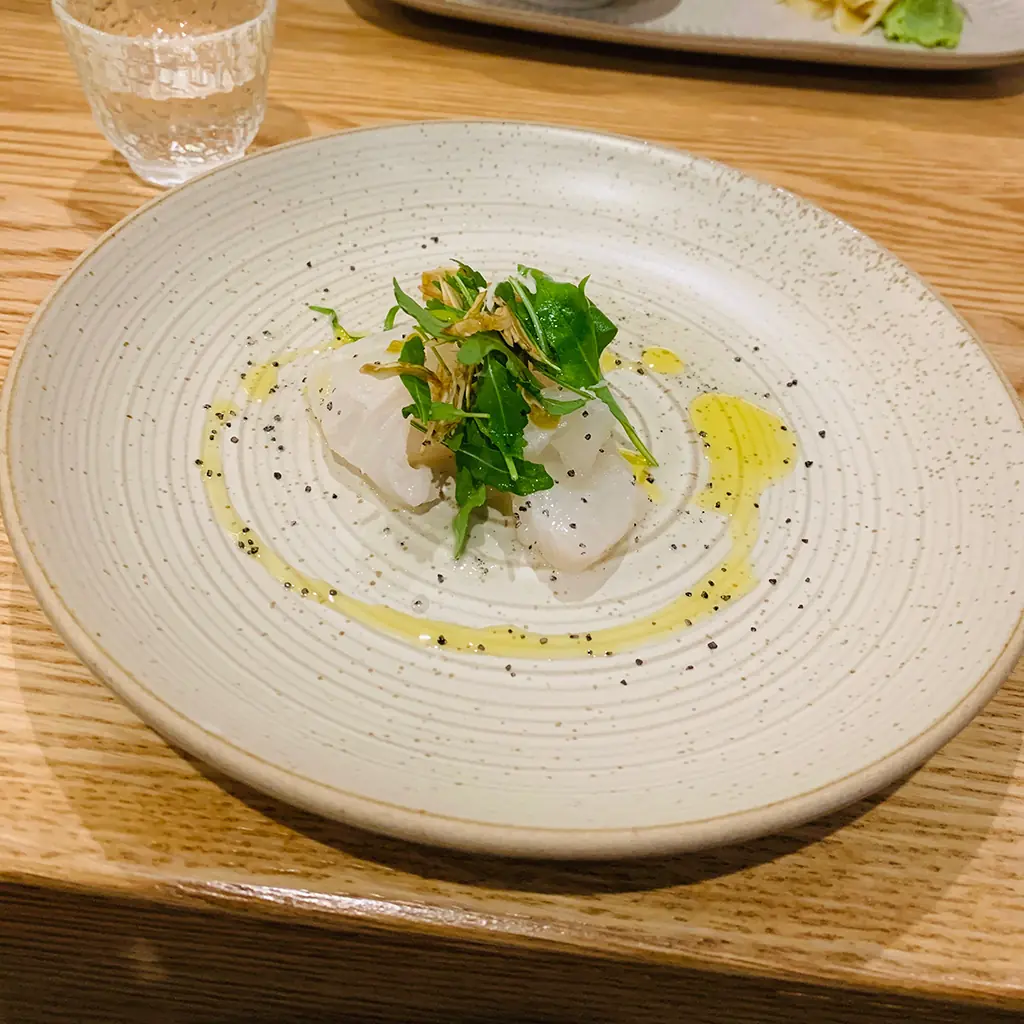
Negative Space Gives Food Room to Speak
An unfilled area of a plate is not necessarily unfinished. Space creates boundaries between portions, makes individual shapes easier to recognize and prevents a composed dish from appearing crowded before the diner understands it.
The plate itself participates in that effect. A dark surface can sharpen the appearance of pale fish, while a light or textured vessel can create a different contrast. The purpose is to establish focus, not to fill every available inch.
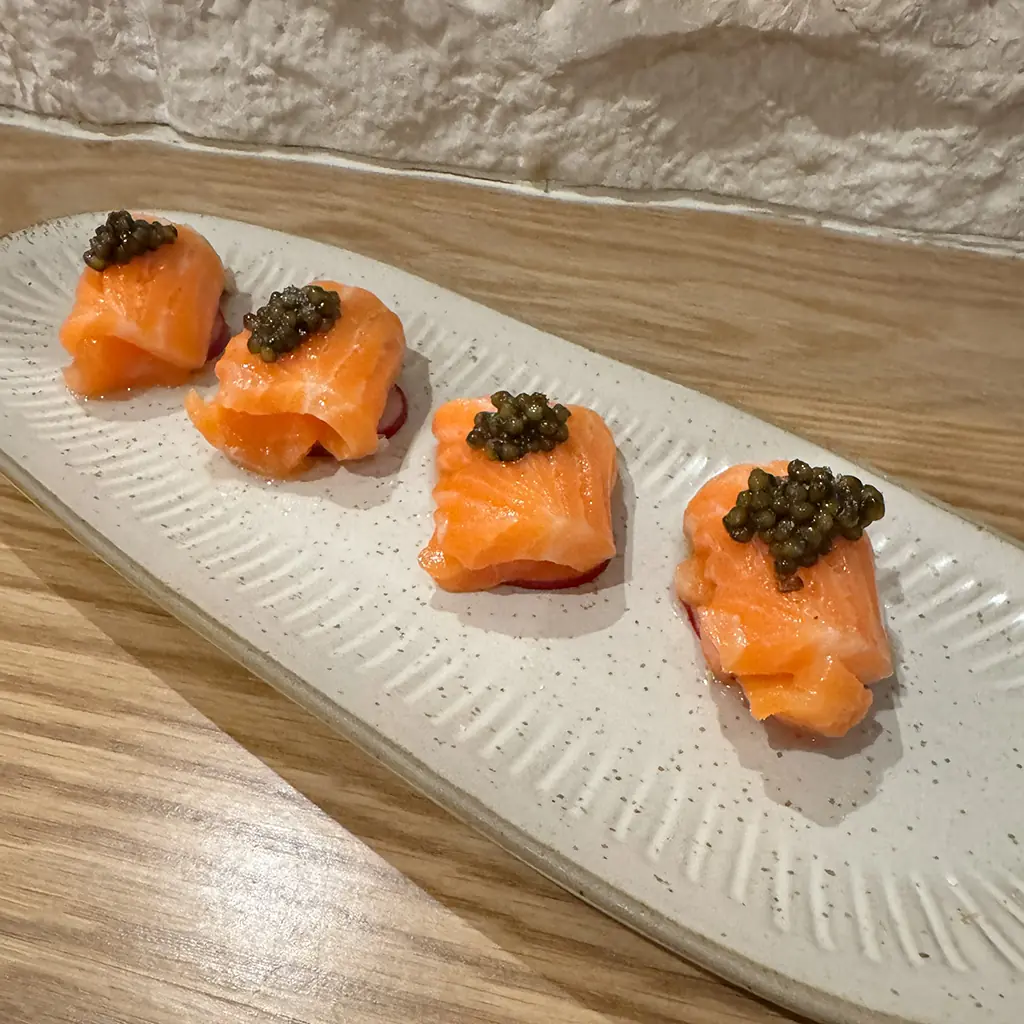
Color and Direction Guide the Eye
Natural differences among seafood, rice, sauces and garnishes give a plate its palette. Repeating one color can create calm, while a contrasting accent can direct attention toward the item that should be noticed first.
Height and orientation add movement without requiring more food. A slight overlap, an angled line or a raised element can lead the eye across the composition. Garnish is most convincing when it contributes to the dish instead of existing only to occupy space.
Four Elements of Visual Balance
- Open space: Unfilled areas separate forms and prevent the presentation from feeling unnecessarily dense.
- Color contrast: Differences among seafood, sauce, garnish and plate help establish the visual center.
- Height and direction: Layering or angled placement can lead attention through the composition.
- Purposeful garnish: The strongest accent contributes aroma, flavor or texture rather than acting as empty decoration.
Tarzana Questions About Japanese Presentation
What is the eastbound approach from Tarzana?
Use Ventura Boulevard eastbound from Tarzana, then let the live map direct the final blocks to Mizumi.
Why does Japanese plating use open space?
Open space separates shapes and colors, allowing each item to remain visually distinct. It can also keep a plate from feeling crowded before the first bite.
Does a garnish serve only as decoration?
Not always. A garnish may contribute aroma, texture, acidity or contrast, although some presentation elements may not be intended for eating. If uncertain, request guidance from the staff.
Can Tarzana diners preview Mizumi before visiting?
Yes. Mizumi's online gallery offers a visual introduction to the dining room and selected presentations, while the current menu shows the posted food categories.
Tarzana diners can follow Ventura Boulevard east for Mizumi.
Encino destination · California 91316 · restaurant number 17047 · Call (818) 809-2006